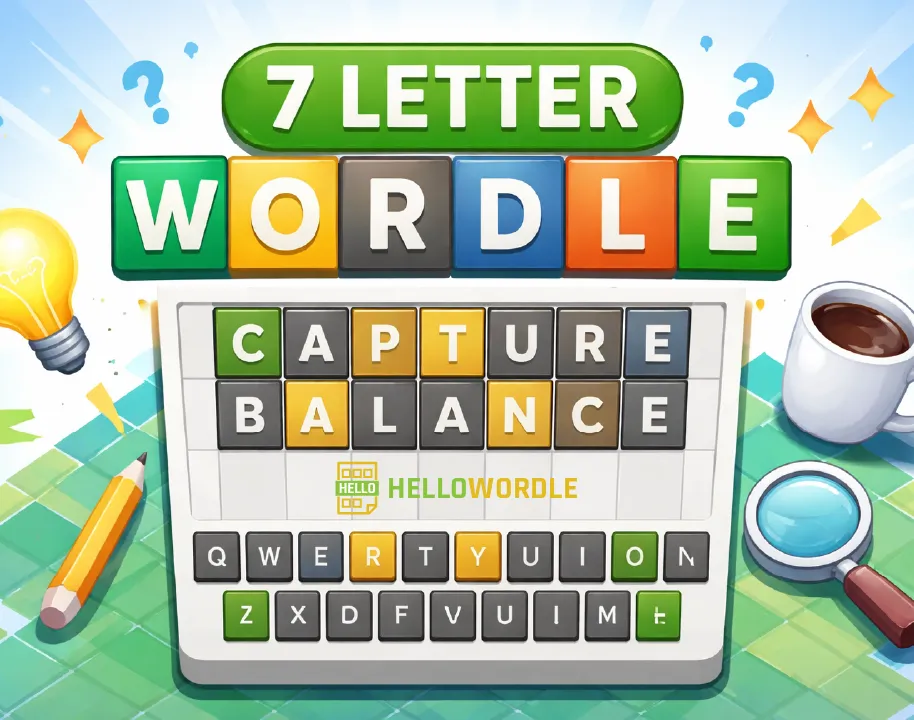
Wordle started as a simple daily habit for millions of people. One word, five letters, six guesses, done in a minute or two before work. But over time, many regular players felt the same thing: it’s getting a little too easy. That’s where 7 letter Wordle enters the picture.
A 7 letter Wordle takes the familiar structure of the original word game and stretches it just enough to make your brain work harder. Longer words, more possibilities, more chances to mess up — and honestly, more satisfaction when you finally crack it. For players who enjoy language, logic, and patterns, this version hits a sweet spot.
In this guide, we’ll break down what a 7 letter Wordle actually is, how it works, why it’s growing in popularity, and how you can get better at solving it without ruining the fun.
What Is a 7 Letter Wordle?
A 7 letter Wordle is exactly what it sounds like: a Wordle-style puzzle where the target answer is a 7-letter word instead of the standard five. You still guess one word at a time, and after each guess, the game gives feedback using color indicators.
The rules stay familiar:
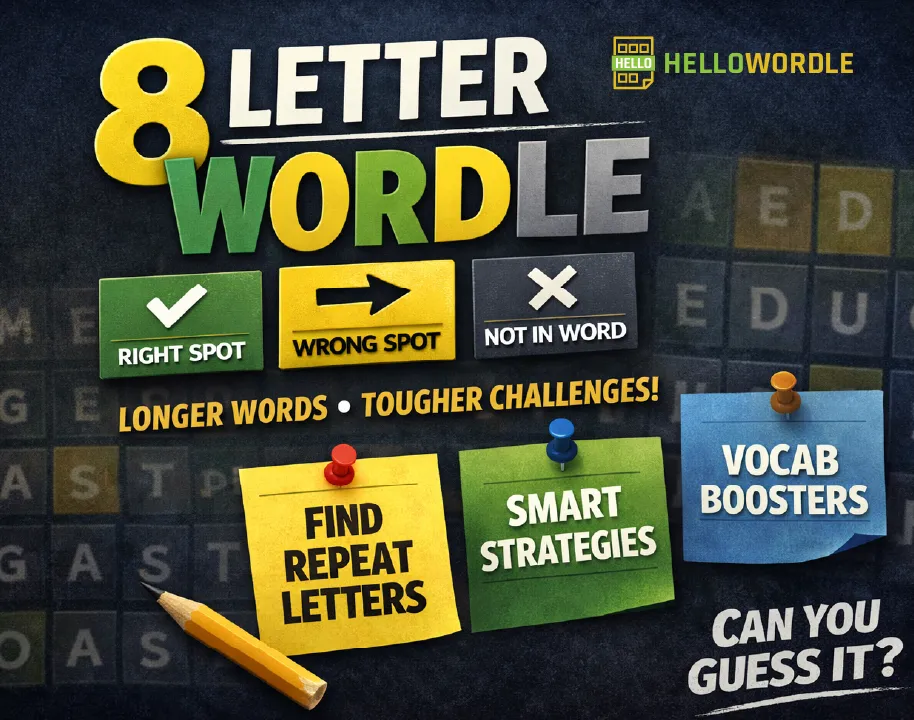
- Green means the letter is correct and in the correct position
- Yellow means the letter is in the word but placed incorrectly
- Gray means that letter doesn’t appear in the word at all
That yellow feedback — the classic word but in the wrong position signal — becomes way more important with seven letters. There are more ways to rearrange letters, and more room for confusion if you’re not paying attention.
The original Wordle was created by Josh Wardle and later acquired by The New York Times, which explains how the game became so polished and widely trusted as a daily puzzle experience. According to coverage by The New York Times itself, Wordle’s appeal comes from its simplicity and shared daily challenge, something longer variants are now building on naturally within the same puzzle culture.
Why Players Are Moving Toward 7 Letter Wordle
The Difficulty Curve Feels Just Right
Five-letter Wordle is perfect for beginners. But once you’ve played for months, patterns start repeating. A 7-letter word forces you to slow down and actually think through each guess.
With seven slots to fill, you’re not just hunting vowels anymore. You’re analyzing structure, suffixes, prefixes, and how letters commonly sit next to each other in English.
It Feels More Like a True Word Game
Many players describe 7 letter Wordle as feeling closer to classic word games like crosswords or anagrams. You’re not just guessing — you’re reasoning.
One wrong assumption early on can snowball into confusion later, especially when you misread a yellow tile and forget that the letter is in the word but not where you placed it.
How a 7 Letter Wordle Actually Plays
Step 1: Your Opening Guess Matters More
In a 7 letter Wordle, your first word sets the tone. Strong starters usually:
- Contain multiple vowels
- Avoid repeating letters
- Use common consonants
Words like “station,” “balance,” or “central” are popular because they test a wide range of letters early.
Step 2: Interpreting Feedback Correctly
This is where many players slip. When the game tells you a letter is yellow, it means exactly one thing: the letter is in the word, just not in that spot. Forgetting this detail is one of the most common mistakes, especially when juggling seven positions.
Step 3: Narrowing the Field
As guesses progress, your job is to stop guessing randomly. Every new word should:
- Reuse confirmed letters
- Avoid gray letters entirely
- Test new placements logically
At this point, 7 letter Wordle becomes less about luck and more about deduction.
Why 7 Letter Wordle Is Better for Vocabulary Growth
Longer words naturally expose you to:
- More complex spelling patterns
- Less common suffixes and prefixes
- Words you recognize but don’t usually spell
Because a 7-letter word often feels familiar but harder to recall exactly, players end up strengthening both recognition and recall. That’s something linguists and educators have pointed out when analyzing why puzzle-based learning sticks better than rote memorization.
You’re learning without feeling like you’re studying, which is probably why people keep coming back daily.
Common Mistakes Players Make (And How to Avoid Them)
Repeating Letters Too Early
Unless a letter has been confirmed, repeating it in early guesses wastes valuable space. In a 7 letter Wordle, coverage is everything.
Ignoring Yellow Tiles
It sounds obvious, but many losses come from forgetting that a yellow tile means don’t remove the letter. It’s a word but in the wrong position, not a wrong letter.
Guessing “Fancy” Words Too Soon
Unusual words might feel clever, but common structures win more often. Save the obscure guesses for the final rounds.
Pros and Cons of 7 Letter Wordle
Pros
- Deeper challenge than standard Wordle
- Better vocabulary engagement
- More rewarding wins
- Feels closer to a full word game experience
Cons
- Can feel frustrating on busy days
- Takes longer to solve
- Not officially featured as the main daily puzzle everywhere
Still, for players who enjoy mental workouts, the pros usually outweigh the cons pretty quickly.
Is There an Official 7 Letter Wordle?
The main daily Wordle published by The New York Times remains a five-letter puzzle. However, the NYT has acknowledged player creativity by offering tools that let users create custom Wordle-style puzzles, including longer word lengths.
This means while the flagship game stays simple, the ecosystem around it continues to grow — and 7 letter Wordle fits perfectly into that evolution.
FAQs About 7 Letter Wordle
Yes, mostly because there are more possible combinations and more ways to misplace letters.
Most versions stick with six guesses, though some allow seven to match the word length.
Some platforms use daily puzzles, while others offer unlimited play.
Absolutely. Random guessing almost never works with a 7-letter word.
Final Thoughts: Should You Try 7 Letter Wordle?
If you enjoy Wordle but feel like you’ve mastered it, 7 letter Wordle is a natural next step. It keeps the simplicity you love while adding just enough complexity to stay interesting.
The key takeaways:
- Start with strong, balanced opening words
- Respect yellow tiles — the letter is in the word
- Think structurally, not emotionally
- Treat it like a thinking person’s word game
Once you get used to the rhythm, solving a 7-letter word feels incredibly satisfying. And yeah, some days it’ll beat you — but that’s kind of the point.
If you want, I can also help with best starting words, daily solving frameworks, or even a comparison between 5-letter and 7-letter strategies.