
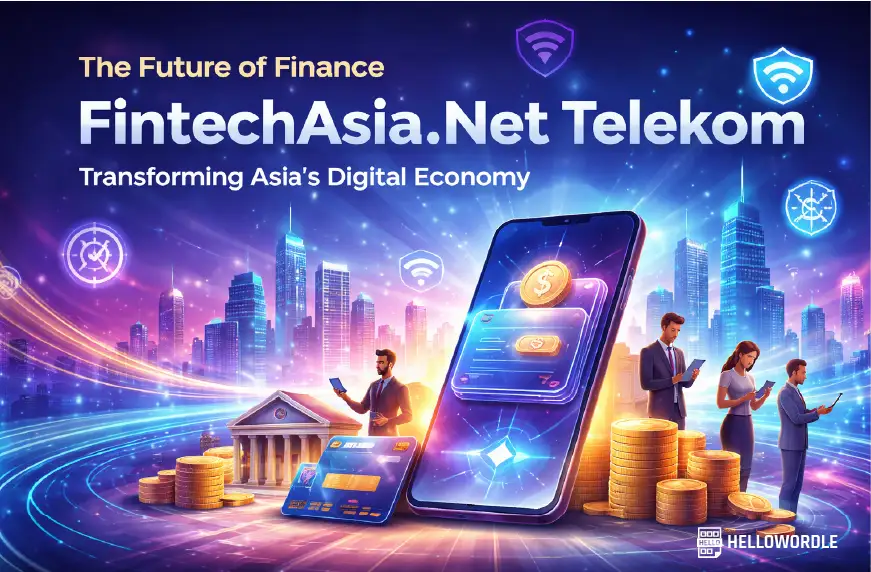
In today’s fast-moving digital world, the way people interact with money is quietly changing. Not long ago, most financial activity depended on traditional banking—long queues, paperwork, and limited access. But now, thanks to the rise of mobile-first systems, platforms like fintechasia .net telekom are reshaping how financial services work across Asia.
What makes this shift so important is scale. Across asian markets, millions of users are skipping banks entirely and moving directly into mobile wallets, digital banking, and app-based financial solutions. This is part of the rapid evolution of digital ecosystems, where telecom networks and fintech platforms work side by side.
According to data from GSMA, mobile money adoption has crossed 1.6 billion accounts globally, with Asia leading the growth curve. That’s not just a trend—it’s a structural change in how economies operate.
What Is FintechAsia .Net Telekom?
The concept of fintechasia .net telekom represents a modern fintech ecosystem where telecom operators and financial platforms integrate to deliver seamless services.
In simple terms, it combines:
- Telecom infrastructure (mobile towers, SIM systems, connectivity)
- Financial technology tools (apps, AI systems, payment engines)
- Integration layers like APIs (which are basically connectors that let apps share data and work together)
This combination allows companies to deliver financial services across asia in a way that is fast, mobile-first, and scalable.
Why Telecom + Fintech Is Growing So Fast
Mobile Networks Reach Everyone
In many regions, mobile networks go far beyond where banks can reach. This creates opportunities for financial inclusion, especially for users who were previously excluded from formal systems.
Digital Wallets Are Becoming the Default
Today, users prefer digital wallets over cash. Whether it’s to money pay bills, shop online, or transfer funds, mobile apps are now central to daily life.
Platforms like GCash and Paytm show how telecom-backed ecosystems can scale quickly across millions of users.
Government Infrastructure Is Accelerating Growth
Systems like India’s UPI, managed by National Payments Corporation of India, have made real-time payments simple and accessible, even for small vendors.
Including AI in Financial Systems
Modern platforms are increasingly including AI to enhance fraud detection, personalize services, and automate customer support. While it’s not flawless yet, it’s improving fast.
How the Fintech-Telecom System Works
To understand it better, think of it as a three-layer system.
1. Telecom Infrastructure
This is the foundation:
- SIM authentication
- Network coverage
- Data transmission
Without reliable telecom infrastructure, fintech services simply can’t operate.
2. Fintech Platforms
These are the apps users actually use:
- Mobile wallets
- Digital banking services
- Lending platforms offering micro loans
This is where users directly interact with money.
3. Integration Layer (APIs Explained Simply)
APIs allow different systems to connect. For example:
- A payment app verifies your number through telecom data
- A lending app checks usage patterns to approve loans
This integration powers innovation across the entire fintech ecosystem.
A Surprising Parallel: What Fintech Can Learn from Wordle
At first glance, a word puzzle game and financial systems seem unrelated. But if you look closer, there’s an interesting connection.
Wordle became globally popular because it’s simple, quick, and habit-forming. Users return daily, spending just a few minutes but building a consistent routine.
Fintech platforms are now applying similar engagement strategies:
- Encouraging users to check balances daily
- Offering rewards for frequent transactions
- Making apps simple enough for anyone to use
In many ways, fintech apps are turning financial management into a daily habit—just like a game. Instead of guessing words, users are sending money, managing expenses, or paying bills through mobile wallets.
This approach is especially effective in asian markets, where user engagement plays a huge role in adoption.
Real-World Use Cases
Mobile Wallet Ecosystem
Users rely on digital wallets for everyday needs—shopping, transfers, and money pay bills.
Alternative Credit Scoring
Telecom data helps provide micro loans to users without formal credit history, boosting financial inclusion.
Cross Border Payments
Cross border payments are becoming faster and cheaper, powered by telecom-backed systems.
Case Study: GCash Growth
In the Philippines, GCash has grown into a full ecosystem offering payments, savings, and insurance.
Its success is based on:
- Strong telecom integration
- Easy onboarding
- Reliable mobile networks
This shows how financial technology can scale when supported by telecom systems.
Benefits of FintechAsia .Net Telekom
For-Users
- Access to financial services across asia without banks
- Faster and more secure transactions
- Easy payments and transfers
For Businesses
- Reach underserved markets
- Build innovative financial solutions
- Use telecom data for insights
For Governments
- Improve financial tracking
- Support economic growth
- Expand financial access
Pros and Cons
| Pros | Cons |
|---|---|
| Improves financial inclusion | Data privacy concerns |
| Enables secure transactions | Complex regulations |
| Supports micro loans | Network dependency |
| Expands fintech ecosystem | Digital literacy gaps |
Trends Shaping the Future
Super Apps
Multi-purpose apps combining payments, messaging, and shopping are growing fast.
Blockchain Integration
Helps ensure secure transactions and transparency.
AI-Driven Finance
More platforms are including AI to improve efficiency and user experience.
Open Banking APIs
Allow better collaboration between fintech firms and telecom operators.
According to World Bank, digital finance can significantly reduce inequality by expanding access to financial tools.
Practical Tips for Businesses
- Partner with telecom providers
- Focus on mobile-first design
- Use APIs for integration
- Ensure compliance with local laws
Even small businesses can adopt digital banking tools to grow faster.
FAQs
It refers to the integration of telecom systems with fintech platforms to deliver modern financial services.
By using mobile networks, it reaches users who don’t have access to traditional banking.
Most platforms use encryption and AI for secure transactions, but users should stay cautious.
Yes, they can use digital wallets and fintech tools to expand operations.
Final Thoughts
The rise of fintechasia .net telekom shows how deeply telecom and finance are now connected. From mobile wallets to cross border payments, the system is redefining how people manage money.
The comparison with Wordle might seem unusual, but it highlights something important—engagement and habit-building are now central to financial platforms. The easier and more engaging the experience, the faster adoption grows.
Actionable Takeaways
- Use digital wallets for faster daily transactions
- Businesses should explore telecom-fintech partnerships
- Stay updated on security practices
In the end, finance in Asia is no longer just digital—it’s mobile, intelligent, and constantly evolving. And honestly, we’re still in the early stages of this transformation.