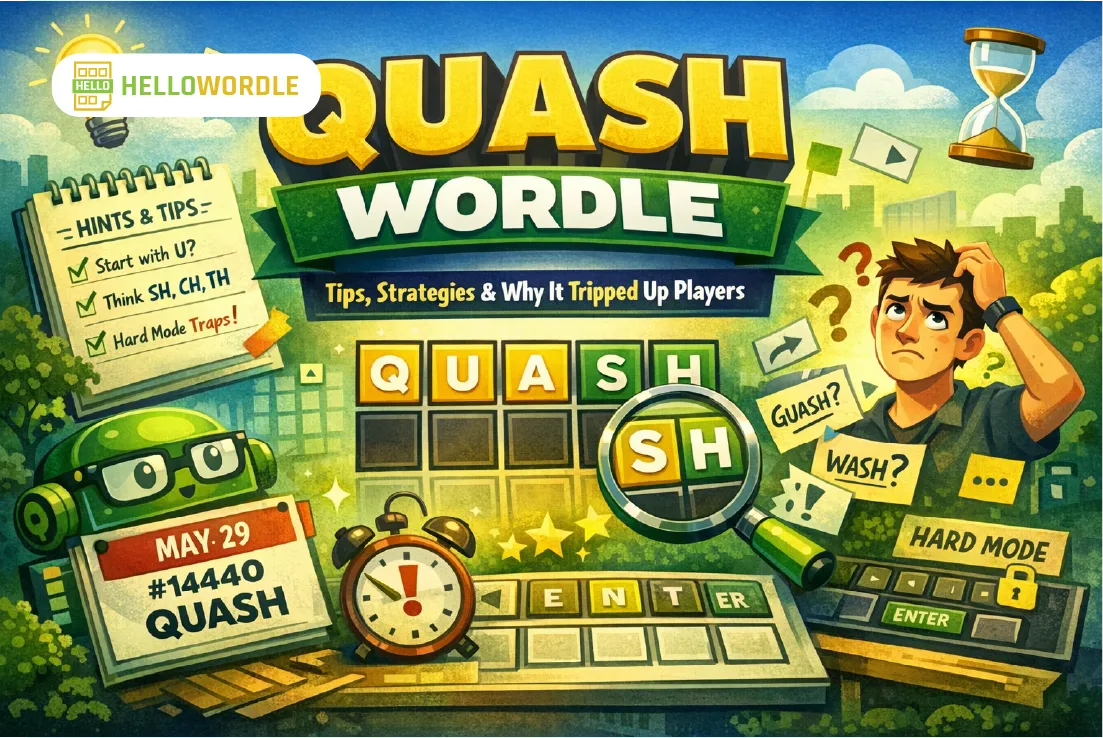
If you searched for quash wordle, you’re probably not just curious about a definition. More likely, you were stuck mid-game, checking wordle hints, or double-checking today wordle answer after your grid stubbornly refused to cooperate. And honestly, you weren’t alone.
When QUASH showed up as a Wordle solution, it quietly tripped up a lot of players. Not because it’s unfair or obscure, but because it breaks a few common Wordle habits that usually work. This article explains what quash really means, why it was harder than expected, and how you can use this experience to solve the puzzle more confidently going forward.
What Does “Quash” Mean?
Before tying it directly to Wordle, let’s look at the word itself.
Quash is a verb that means to completely suppress, reject, or invalidate something, usually with authority. Courts quash subpoenas. Officials quash rumors. Companies quash plans that don’t make sense anymore.
It’s a standard English word, just not one people use in everyday chat. That’s part of what made it tricky as a Wordle letter word — familiar enough to be valid, but not always top-of-mind when you’re trying to guess a five letter answer under pressure.
QUASH as a Wordle Answer: Why It Felt So Hard
When QUASH appeared as the solution, searches for today s wordle, hints and answer, and yesterday wordle answer spiked. The confusion wasn’t about the rules — it was about expectations.
The Letter “Q” Is a Red Flag
Most players avoid Q in their wordle start words, and that’s usually smart. Q is rare, and it almost always needs U. But when both letters are part of the answer, skipping them early can slow everything down.
It’s a Verb, Not a Noun
Many Wordle answers are everyday nouns. QUASH is an action word, which pushes players out of their comfort zone. If your guesses lean heavily toward objects or places, this one likely slipped past your mental filter.
No Repeated Letters
Clean structure, no doubles — which sounds easy, but actually removes a common shortcut players rely on to narrow options.
Once players saw the solution, many said the same thing: “Oh… that makes sense now.” That hindsight clarity is classic Wordle.
A Quick Reminder: How Wordle Works
Wordle was created by Josh Wardle as a simple daily puzzle and later became part of NYT Games. You get six chances to identify one mystery word per day.
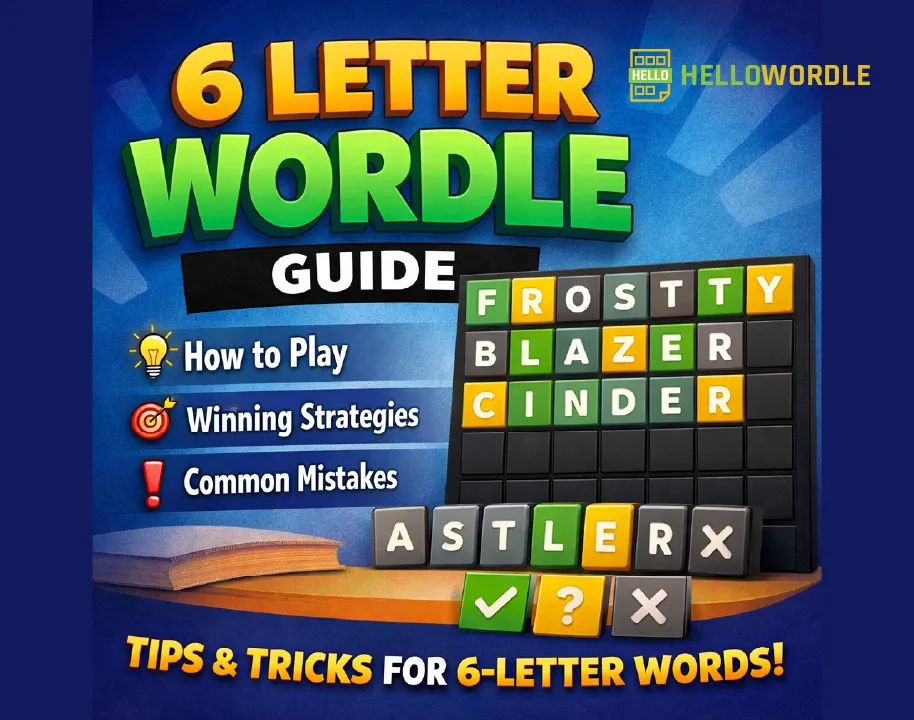
Each guess gives feedback:
- Green means correct letter, correct spot
- Yellow means correct letter, wrong spot
- Gray means not in the word
The New York Times itself explains how Wordle selects answers and evaluates guesses inside its official Wordle section on NYT Games, which remains the most authoritative source for understanding daily solutions and game mechanics.
Wordle Strategy Lessons from QUASH
Every tough Wordle answer teaches something. QUASH taught several.
Use Flexible Starting Words
Rotating wordle start words helps long-term success. If your openers never test U or H, you’re vulnerable on days like this.
Don’t Ignore Verbs
Verbs appear more often than players realize. Training yourself to think beyond nouns improves consistency, especially when wordle hints feel vague.
Lock In What Turns Green
When a letter turns green, trust it. Overthinking confirmed placements is how players waste turns.
Watch for Common Consonant Pairs (Digraphs)
One of the most valuable takeaways from QUASH is the importance of consonant digraphs — letter pairs that frequently appear together.
The SH ending is extremely common in English. Words like BRUSH, FLASH, and CRASH all follow that same pattern. Once players recognized SH as a likely ending, the solution became much clearer.
When your board feels “almost solved,” actively looking for CH, SH, or TH can speed things up and prevent guess-burning mistakes.
Why QUASH Was Brutal in Hard Mode
For Hard Mode players, QUASH was especially punishing.
Hard Mode forces you to reuse confirmed letters in the same positions. That can create traps. Several players reported landing on patterns like _UASH. At that point, hesitation becomes dangerous.
If you don’t immediately recognize QUASH as the only viable English option, you can burn through turns quickly — even with most of the board green. Hard Mode rewards decisive pattern recognition, not just slow elimination.
Comparing QUASH With Yesterday’s Wordle Answer
Many players benchmark difficulty by checking yesterday wordle answer. When yesterday’s solution is more vowel-heavy or common, a word like QUASH feels dramatically harder by contrast.
This psychological effect explains why certain answers trend, even if their technical difficulty isn’t extreme.
FAQs About Quash Wordle
Yes. It’s standard English, not slang or obscure terminology.
The york times wordlebot evaluates probabilities, not intuition. Rare letters reduce early confidence.
Using hints and tips or checking hints and answer guides is personal preference. Wordle is about enjoyment, not purity.
Final Thoughts: Why Quash Wordle Still Matters
QUASH wasn’t just another daily solution — it was a reminder of why Wordle stays interesting. It challenged habits, expanded vocabulary, and rewarded players who paid attention to structure instead of rushing.
If today s wordle ever feels impossible, remember this: every difficult answer sharpens your instincts for the next one. Tomorrow, when you open nyt games, choose a smarter opener, stay flexible, and trust the board as it develops.
Sometimes the answer only feels obvious after it turns green — and that’s exactly why Wordle works.