If you’ve spent any time on social media over the last few years, you’ve probably seen rows of green, yellow, and gray squares popping up in timelines. That visual language belongs to Wordle, a deceptively simple word game that turned into a daily habit for millions of people worldwide.
But what is Wordle really, and why does it still matter when so many online games fade out fast?
This guide breaks down what Wordle is, how it works, why it became so popular, and how to play it better using smart wordle hints that don’t ruin the challenge. It’s written for real players — beginners, casual fans, and even people who think they already “get” Wordle but want to sharpen their edge.
What Is Wordle?
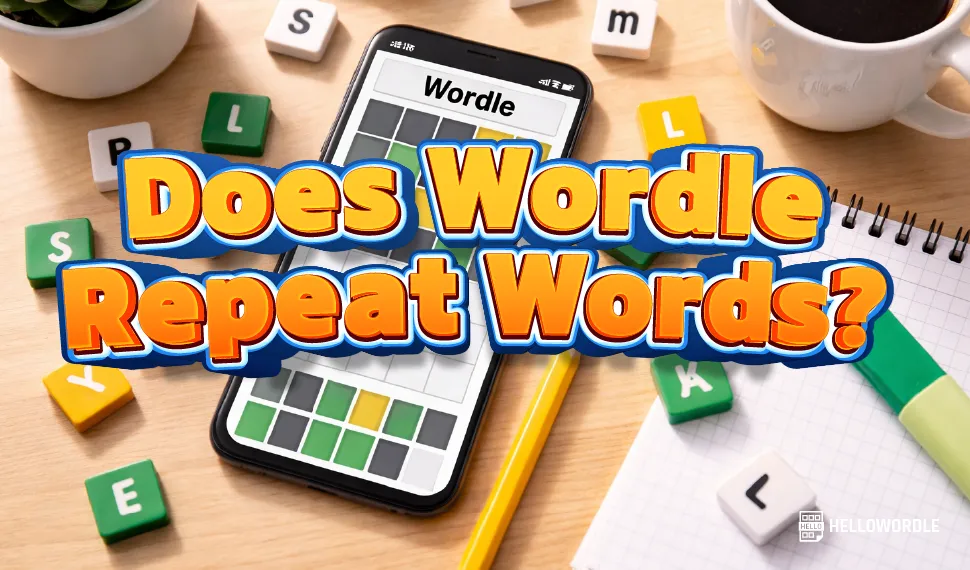
Wordle is a daily word puzzle game where players try to guess a secret five-letter word in six attempts or less. After each guess, the game gives color-based feedback that helps narrow down the answer:
- Green means the letter is correct and in the right position
- Yellow means the letter is in the word but in the wrong position
- Gray means the letter is not in the word at all
The twist — and the reason Wordle feels different — is that everyone in the world gets the same word each day. That shared experience is a huge part of its appeal. You’re not racing for points or beating other players directly, you’re comparing logic, patterns, and sometimes frustration.
Today, the official version of Wordle is owned and hosted by The New York Times, where it lives as part of their games collection and remains free to play.
Why Wordle Became So Popular So Fast
Wordle didn’t grow because of flashy graphics or aggressive marketing. It grew because it respected the player’s time and intelligence.
Here’s why it clicked with so many people:
It’s Simple, But Not Easy
The rules take about 30 seconds to understand. Mastery takes much longer. That balance is rare in modern games.
One Puzzle a Day Feels Healthy
Unlike endless mobile games, Wordle gives you one puzzle per day. That limitation actually makes it more satisfying, not less. You play, think, maybe fail, then move on with your day.
It’s Social Without Being Noisy
Sharing results doesn’t spoil the answer. The colored grid lets players compare performance without ruining the game for others. This design choice helped Wordle spread organically.
How Wordle Works (Rules You Should Actually Know)
Most players know the basics, but a few details matter more than people realize.
Core Gameplay Mechanics
- You must enter valid five-letter English words
- Letters can appear more than once in a word
- Feedback is based on both letter existence and position
- You get six guesses total
One common mistake is misunderstanding how duplicate letters work. For example, if the answer has only one “L” and you guess a word with two L’s, only one tile may change color. That’s not a bug — it’s a clue.
Wordle Hints That Improve Skill (Not Just Luck)
A lot of “Wordle tips” online are generic. These are practical, experience-based wordle hints that real players use daily.
Start With a High-Value Opening Word
Your first guess should maximize information, not emotion. Words with common vowels and consonants work best.
Good examples:
- ARISE
- CRANE
- SLATE
- STONE
These cover frequent letters and quickly narrow down possibilities.
Use Feedback Like a Logic Puzzle
Wordle isn’t about guessing randomly. It’s about eliminating options. After each guess, ask yourself:
- Which letters are confirmed?
- Which positions are impossible?
- Which letters can I completely ignore now?
Treat it like a process of deduction, not a vocabulary test.
Don’t Lock In Too Early
Many players make the mistake of falling in love with one possible word too soon. If you have multiple unknown letters left, use a guess that tests more letters, even if it doesn’t seem clever.
Information is power in Wordle.
Try Hard Mode (If You Want to Improve Faster)
Hard Mode forces you to use revealed letters in future guesses. It feels restrictive at first, but it trains better habits and reduces lazy guessing.
Common Wordle Mistakes Players Keep Making
Even experienced players slip up in predictable ways.
Repeating Gray Letters
Once a letter is gray, stop using it unless you’re testing duplicate-letter logic intentionally.
Ignoring Word Structure
English has patterns. Some letter combinations are far more common than others. Words like “Q” without “U” are rare. Use language intuition, not just brute force.
Panicking on Guess Five
Pressure causes rushed guesses. Slow down. Review your clues. Wordle rewards patience more than speed.
Variations and Spin-Offs (And Why the Original Still Wins)
Wordle inspired dozens of spin-offs: multiple-word puzzles, geography versions, math versions, emoji puzzles, you name it. Some are fun, but most lack what made Wordle special — restraint.
The original works because:
- It’s consistent
- It’s fair
- It doesn’t overwhelm
That’s why many players keep coming back to the official daily puzzle instead of chasing clones.
Pros and Cons of Wordle
Pros
- Improves pattern recognition and vocabulary
- Encourages focused thinking
- Takes only a few minutes a day
- Easy to share socially
Cons
- Only one puzzle per day
- Can be tough for non-native English speakers
- Some answers feel obscure on bad days
Frequently Asked Questions
Yes. The official Wordle puzzle is free, though creating an account helps save stats and streaks.
Not officially. The daily format is intentional, and archives are not part of the main game.
Yes. It encourages logical reasoning, memory recall, and decision-making under constraints — all useful cognitive skills.
Why Wordle Still Matters Today
Wordle succeeds because it respects players. It doesn’t spam notifications, doesn’t push microtransactions, and doesn’t demand endless attention. It offers a short, thoughtful challenge and trusts you to come back tomorrow.
With the right wordle hints, the game becomes even more satisfying — not easier, just smarter. You start seeing patterns, anticipating structures, and enjoying the process as much as the win.
If you haven’t tried it yet, or if you’ve been guessing blindly, now’s the time to slow down and play Wordle the way it was meant to be played.
One word. One day. Six chances. And surprisingly, that’s enough.