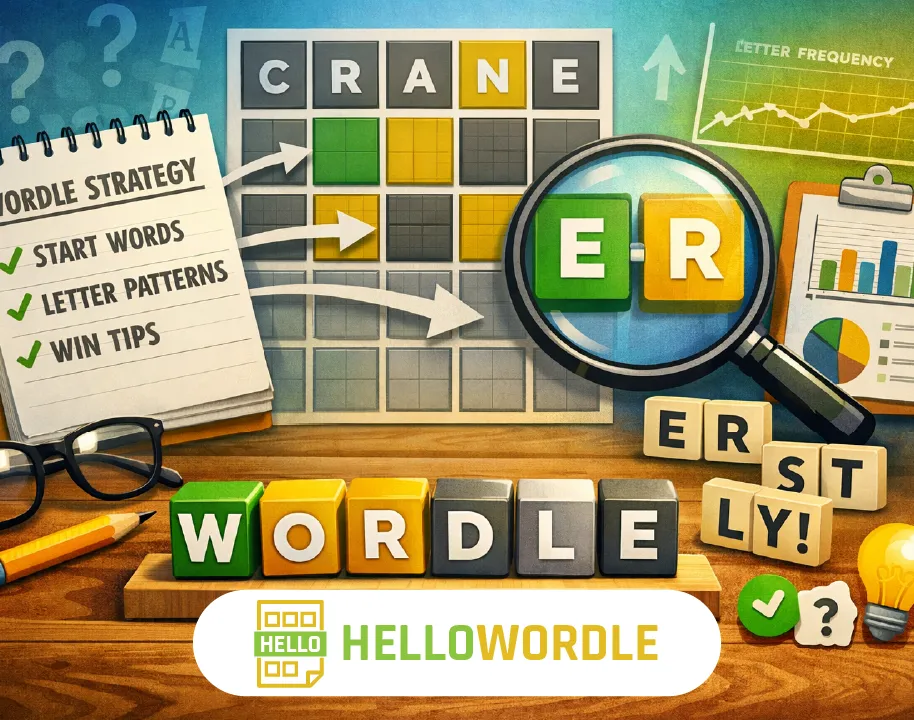
If you’ve ever stared at those little green, yellow, and gray tiles thinking “okay, what now?” — you’re already dealing with wordle combinations, even if you didn’t call them that. Wordle may look simple on the surface, but underneath it sits a clever mix of language logic, math, and pattern recognition. And that’s exactly why it matters, not just for winning but for enjoying the game more.
In a world full of fast-paced word games, Wordle stands out because every single guess carries weight. One wrong combination can waste a turn, while the right one can crack the puzzle wide open. Let’s break down how wordle combinations actually work, why they matter, and how real players use them to get better over time.
What Are Wordle Combinations?
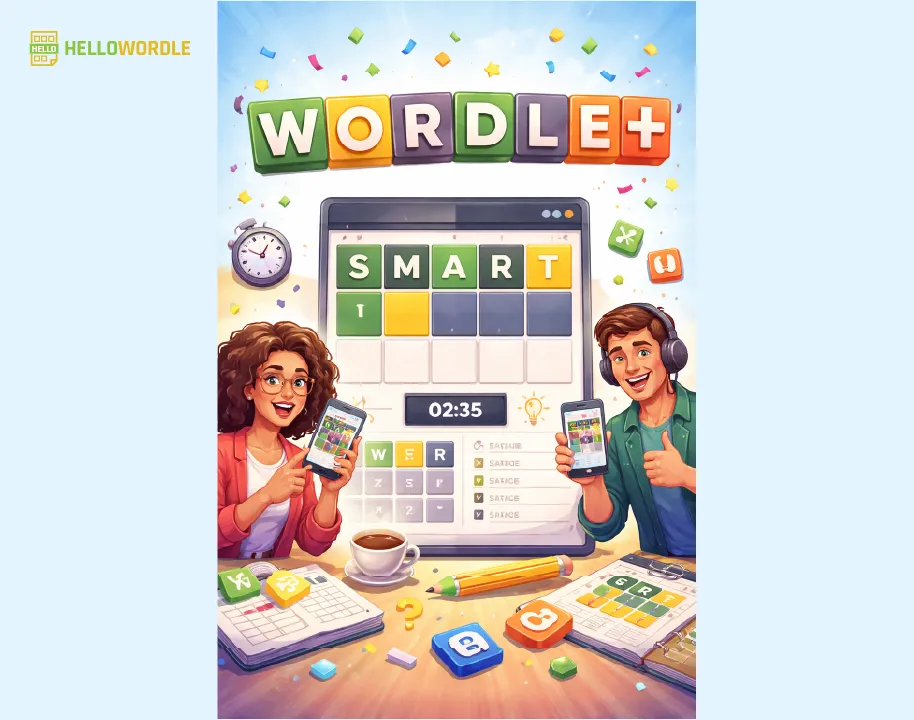
At its core, wordle combinations are the five-letter word patterns you enter and the feedback patterns you receive in return. Each guess is a combination of letters, and each result is a combination of color signals:
- Green: right letter, right spot
- Yellow: right letter, wrong spot
- Gray: letter not in the word
This feedback loop is what makes Wordle more than a guessing game. You’re constantly reducing the number of possible answers by testing combinations and eliminating options. It’s not random, even when it feels like it is.
How Many Wordle Combinations Exist?
Valid Words vs. Actual Answers
One thing many players don’t realize is that not every valid Wordle guess can actually be the daily answer.
- Wordle has over 12,000 accepted five-letter words you can enter as guesses
- Only around 2,300 words are used as actual solutions
That gap is important. It means a lot of combinations exist purely to help you learn, not to win directly. Strategic players often use these guess-only words to test letters and positions early on.
The official game, now hosted by The New York Times, maintains and updates this word list as part of the experience. You can see the official game and rules directly on the New York Times Wordle page, which remains the most authoritative source for how the game works.
The Feedback Combinations Most Players Ignore
Here’s where things get interesting.
Every Wordle guess produces a pattern of five tiles, and each tile can be one of three colors. That creates 243 possible feedback patterns for a single guess. Most players don’t think about that number, but it explains why some guesses feel incredibly informative while others feel useless.
For example:
- A guess with all gray tiles eliminates five letters instantly
- A mixed green/yellow pattern gives positional data that drastically narrows choices
Over time, experienced players start recognizing these patterns almost subconsciously. They aren’t just reading colors, they’re reading information density.
Letter Pairings That Appear More Often Than You Think
Common Two-Letter and Three-Letter Combos
When researchers and Wordle fans analyzed past answers, they noticed something clear: certain letter combinations appear way more often than others.
Examples include:
- Ending combinations like ER, ED, LY
- Middle patterns such as ST, CH, and TR
- Frequent vowels paired with consonants instead of clustered vowels
This doesn’t mean you should always guess words with these combos, but knowing they exist helps you choose smarter early guesses. It’s why many strong opening words feel “balanced” — they test multiple high-frequency combinations at once.
Why Starting Words Matter So Much
Your first guess sets the tone for the entire puzzle.
Strong starters usually:
- Contain common letters
- Avoid repeating letters early
- Test multiple letter positions
Words like CRANE, SLICE, or TRIED became popular not because they’re magical, but because they hit a wide range of common combinations in one move. You’re basically asking the puzzle as many questions as possible with a single word.
In most word games, guessing fast helps. In Wordle, guessing smart matters more.
Real Player Behavior and Trends
What Daily Players Actually Do
Looking at shared stats from social media and community trackers, a few patterns show up again and again:
- Most players solve Wordle in 3–4 guesses
- Losses usually happen when players ignore yellow tile placement rules
- Repeated letters cause more failures than rare vocabulary
Many players admit they “knew the word” but placed a letter wrong twice. That’s not a vocabulary issue — it’s a combination awareness problem.
Pros and Cons of Focusing on Wordle Combinations
Pros
- Fewer wasted guesses
- Better understanding of feedback
- Higher solve rate over time
- Makes the game more engaging, not just lucky
Cons
- Can slow you down if overthinking
- Might reduce the fun if you treat it too mechanically
- Not always helpful on words with double letters or unusual spelling
Like anything, balance matters. Use combination logic as a guide, not a strict rulebook.
Practical Tips to Use Wordle Combinations Better
- Avoid repeating letters in your first guess
You want information, not confirmation. - Respect yellow tiles more than green ones
Yellow letters often unlock the puzzle faster when repositioned correctly. - Pay attention to word endings
Many answers share common suffix patterns — don’t ignore them. - Don’t panic on gray-heavy results
Gray tiles are valuable. They shrink the possibility pool quickly.
FAQs About Wordle Combinations
It’s a mix, but skill plays a bigger role than most people think. Understanding combinations consistently improves results.
Yes, letter patterns repeat often, even though exact words don’t come back frequently.
Not really. Wordle changes difficulty naturally depending on the word. What works one day might fail the next.
Final Thoughts: Why Wordle Combinations Are the Real Game
Wordle isn’t just about finding a word, it’s about navigating possibilities. Every guess is a small experiment, and every tile tells a story if you know how to read it. Understanding wordle combinations turns Wordle from a casual habit into a satisfying daily puzzle that actually sharpens how you think.
In the larger universe of word games, that’s what makes Wordle special. It rewards patience, pattern awareness, and a little humility when the puzzle outsmarts you. And honestly, that’s half the fun.