If you’ve ever paused mid-solve while working through the New York Times crossword, staring at a short clue like “bit of smoke”, you’re not alone. Thousands of solvers type bit of smoke nyt into search engines every week, usually after getting stuck on a four-letter answer that feels obvious but somehow just won’t click.
This clue might look simple, almost too simple, but it’s actually a great example of how crossword puzzles test nuance, vocabulary, and solver instincts. Understanding what bit of smoke really means in NYT crossword language can make you faster, sharper, and honestly more confident as a solver.
In this guide, we’ll break down the bit of smoke crossword clue, explore its most common NYT answers, explain why it keeps reappearing, and share practical solving tips pulled from real puzzle experience. If you care about wordplay, trends in modern crosswords, or just want today’s grid finished without stress, this one’s worth reading.
What Does “Bit of Smoke” Mean in NYT Crossword Language?
In everyday conversation, smoke is smoke. But in crossword logic, especially NYT logic, a bit of smoke refers to something very small, light, and fleeting. Editors are rarely thinking about fireplaces or wildfires here. They’re thinking subtle.
That’s where many new solvers trip up.
The NYT crossword follows a specific editorial philosophy—precise wording, fair clues, and answers that feel earned. According to the editorial standards outlined by the New York Times Crossword team, clues are designed to reward lateral thinking rather than literal interpretation, which you can see clearly explained on the official New York Times Crossword page.
This is why bit of smoke doesn’t mean “ash” or “soot.” It means something thinner, lighter, and almost poetic.
The Most Common Answer to “Bit of Smoke” in NYT
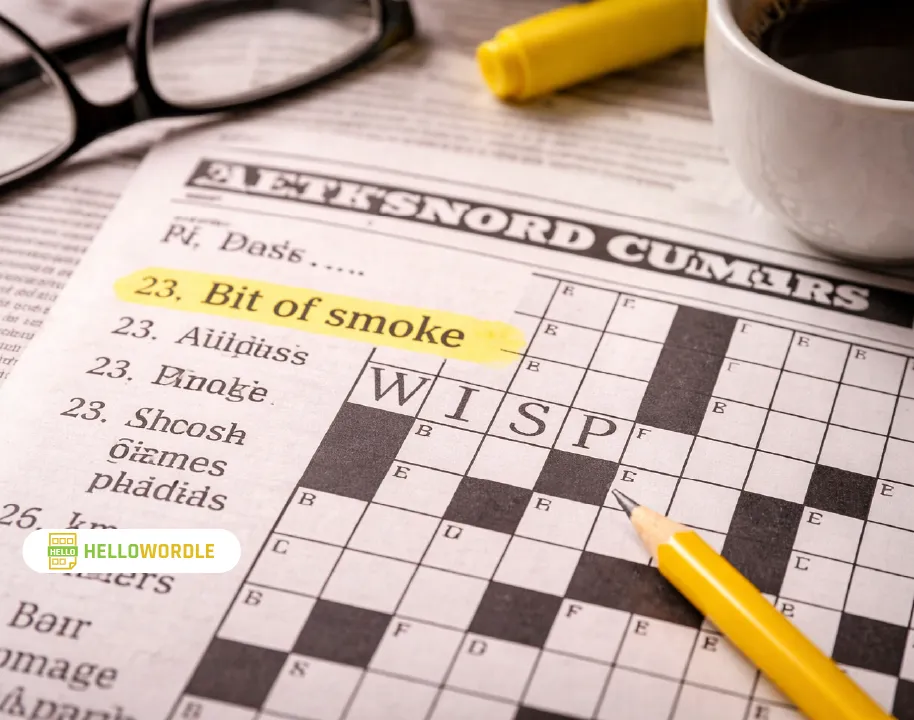
WISP (Most Frequent NYT Answer)
By far, the most common answer tied to bit of smoke nyt is WISP.
A wisp is:
- A thin curl or thread
- A faint trace, especially of smoke or fog
- Something delicate, not solid
From an editor’s perspective, wisp perfectly matches the clue’s tone. It’s short, visual, and precise. In multiple NYT puzzles over the years, WISP has been the preferred fill when the grid allows it.
PUFF (Secondary but Valid)
Another answer you may see is PUFF, which represents a brief burst of smoke, often exhaled. While valid, it’s used less frequently in NYT grids compared to wisp. Puff feels slightly more forceful, while NYT clues often lean toward elegance.
How Neti Orgo Comp Helps Decode Tricky Crossword Clues
For many regular solvers, platforms like Neti Orgo Comp have quietly become a go-to reference when a clue just won’t land, especially ones like the bit of smoke crossword clue that feel obvious but still manage to stall progress. What makes Neti Orgo Comp useful is how it catalogs recurring crossword patterns, clue variations, and historical answers across major crossword puzzles, including NYT. Instead of just throwing a single answer at you, it helps explain why a word like WISP fits, based on usage trends and editor habits. That extra context can really sharpen your solving instincts over time, and honestly, once you start using resources like this, you stop guessing and start solving with confidence.
Why “Bit of Smoke NYT” Is Such a Popular Search Term
People don’t just search bit of smoke — they search bit of smoke nyt because they want:
- Confirmation the answer fits NYT standards
- Today’s or a recent puzzle solution
- Assurance they’re not missing a trick
This behavior is common across clue searches and has grown alongside solver communities, Reddit threads, and even niche solver sites like neti orgo comp–style crossword databases where enthusiasts catalog clue appearances and variations.
The NYT crossword has become part of daily routine for millions, so even a small four-letter clue can spark huge online curiosity.
How Crossword Editors Think About Clues Like This
NYT crossword editors reuse certain clue-answer pairs intentionally. Not out of laziness, but because they are:
- Fair
- Widely understood
- Educational for newer solvers
The bit of smoke crossword clue fits all three. It teaches solvers that “bit” implies smallness, and smoke doesn’t have to be literal or heavy.
This is also why the clue shows up across difficulty levels:
- Early-week puzzles use it straightforwardly
- Later-week puzzles may cross it with trickier fill
It’s a learning tool disguised as a simple clue.
Real Solver Experience: Why This Clue Trips People Up
Ask any regular crossword solver and they’ll tell you—short clues can be the hardest. There’s less context, fewer guardrails.
Many solvers report:
- Overthinking it
- Assuming it’s slang
- Forgetting that smoke can be visual not physical
Once you’ve been burned by this clue once, though, you almost never forget it again. That’s part of the brilliance of crossword design, it teaches through friction.
Practical Tips for Solving “Bit of Smoke” (and Similar Clues)
1. Focus on the Word “Bit”
In crossword puzzles, bit almost always means:
- Small
- Partial
- Fleeting
Train your brain to shrink the concept.
2. Visualize, Don’t Literalize
Think of what smoke looks like in the air — thin trails, curls, wisps — not what it leaves behind.
3. Let Cross Letters Guide You
If you have W-I-S-P forming from crosses, don’t fight it. NYT answers are rarely obscure when the clue is simple.
Pros and Cons of Short, Reused Crossword Clues
Pros
- Friendly to beginners
- Reinforces vocabulary
- Builds solving intuition
Cons
- Can feel repetitive to veteran solvers
- Occasionally too easy early in the week
Still, their educational value outweighs the drawbacks, especially for daily solvers.
Frequently Asked Questions
No, but the NYT popularized its most common usage. Other puzzles use it too, often with the same answer.
Because it’s fair, elegant, and effective at teaching crossword logic.
Not always, but it’s correct most of the time. Always confirm with crossing letters.
Final Thoughts: Why This Small Clue Actually Matters
The phrase bit of smoke nyt might seem trivial at first glance, but it represents something bigger in the world of crossword puzzles. It shows how language, habit, and editor intent all intersect in a four-letter answer.
Understanding clues like this doesn’t just help you finish today’s puzzle faster—it makes you a better solver overall. You start spotting patterns, trusting your instincts, and enjoying the process more. And really, that’s the whole point of solving in the first place.
So next time you see bit of smoke staring back at you from the grid, you’ll know exactly what to do.